What Is WBGT? Understanding Heat Stress and Why It Matters
About the Micro Blog
MICRO wants to keep you up to date with information pertinent to your interests on indoor air quality and specifically what's happening in the mold industry.
When you order the CMRC course or CMI/CMRC Package you get a free e-book How to Grow Your Restoration Business by Jack Dennison.
August 4, 2026 | Posted by MICRO
When most people check the weather before heading outside, they look at the air temperature. But for construction workers, mold inspectors, remediation technicians, roofers, landscapers, and other professionals who work in hot environments, the air temperature tells only part of the story.
A much more important measurement is WBGT, or Wet Bulb Globe Temperature.
WBGT is one of the most accurate ways to determine the risk of heat stress because it considers several environmental factors that affect how the human body cools itself. Understanding WBGT can help employers and workers prevent heat exhaustion, heat stroke, and other serious heat-related illnesses.
What Does WBGT Stand For?
WBGT stands for Wet Bulb Globe Temperature. It is a heat stress index that combines multiple environmental measurements into a single value that reflects how hot conditions actually feel to the body during physical activity.
Unlike a standard thermometer, WBGT measures:
Air temperature
Humidity
Direct sunlight (solar radiation)
Wind speed and air movement
These factors work together to determine how effectively your body can cool itself through sweating.
Why Isn’t Air Temperature Enough?
Imagine two days where the air temperature is 90°F.
On the first day:
Low humidity
Light breeze
Cloud cover
On the second day:
High humidity
Direct sunlight
Little to no wind
Although the thermometer reads the same temperature on both days, the second day places much greater stress on the body because sweat cannot evaporate efficiently. WBGT accounts for these differences, making it a much better indicator of heat-related risk.
Why Is WBGT Important?
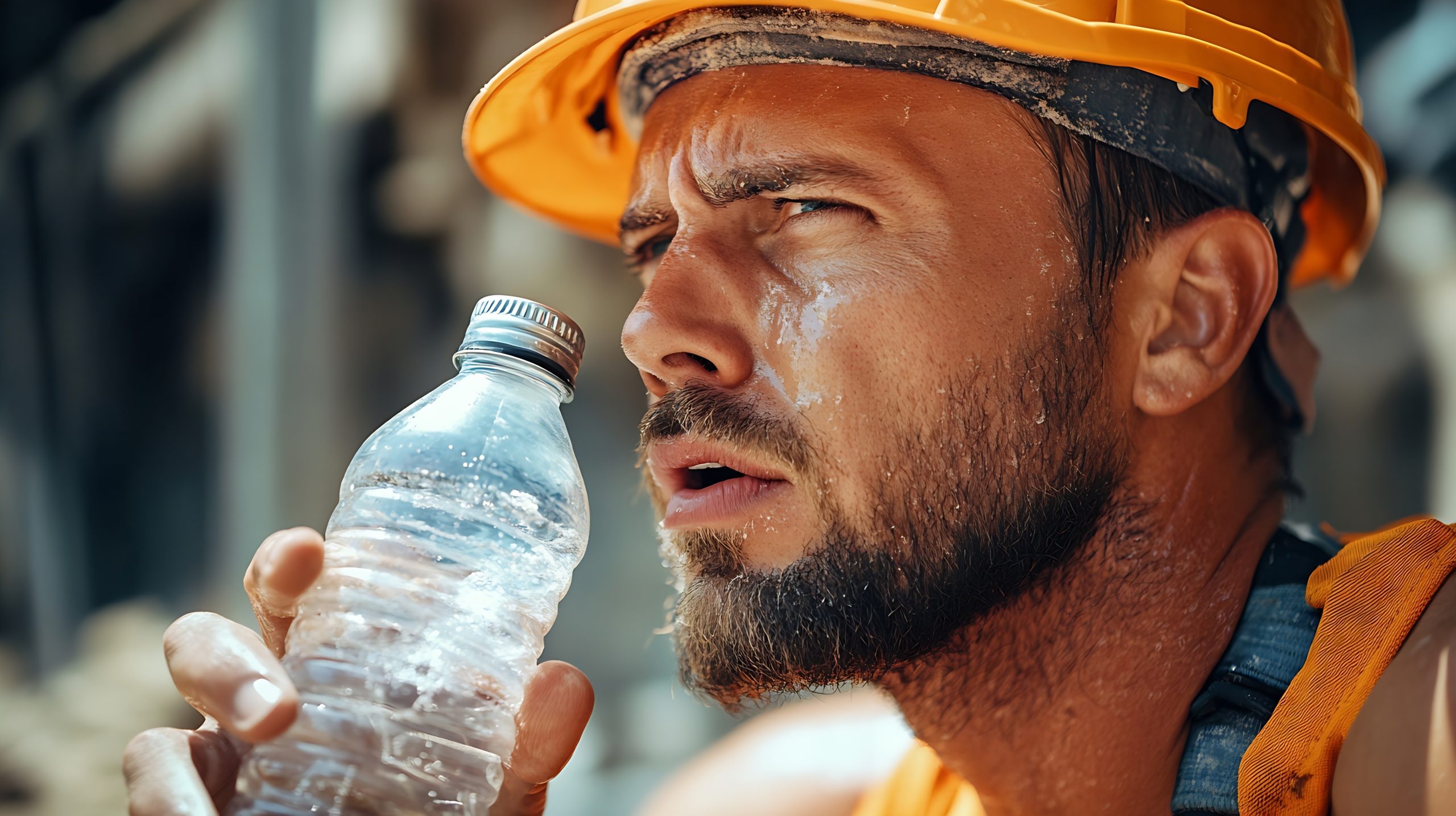
As your body heats up, it relies on sweating to maintain a safe internal temperature. When humidity is high or the sun is intense, your body’s cooling system becomes less effective.
A high WBGT increases the likelihood of:
Heat cramps
Heat exhaustion
Heat stroke
Dehydration
Reduced concentration
Increased workplace accidents
This is why OSHA, the military, athletic organizations, and many employers use WBGT when making decisions about outdoor work and strenuous activities.
How Do You Measure WBGT?
Because WBGT takes into account air temperature, humidity, radiant heat, and air movement, it cannot be measured accurately with a standard thermometer or a weather app. The most reliable way to determine workplace heat stress is by using a WBGT heat stress meter.
These handheld instruments provide real-time WBGT readings, allowing employers and safety professionals to make informed decisions about work/rest schedules, hydration breaks, and heat illness prevention.
At MICRO (Mold Inspection Consulting and Remediation Organization), we offer professional-grade WBGT Heat Stress Meters designed for contractors, mold remediation companies, industrial hygienists, safety managers, and anyone responsible for protecting workers in hot environments. Having a portable WBGT meter on-site helps ensure heat safety decisions are based on actual conditions—not guesswork.
General WBGT Risk Levels
Although employers should follow their own heat illness prevention programs, these general guidelines are commonly used:
WBGT
Heat Risk
Below 80°F (27°C)
Low risk for most healthy workers
80–85°F (27–29°C)
Moderate risk; increase hydration and rest breaks
85–88°F (29–31°C)
High risk; reduce strenuous activity and monitor workers
Above 88°F (31°C)
Very high to extreme risk; postpone or significantly limit strenuous work when possible
Keep in mind that workload, clothing, personal health, and acclimatization all affect an individual’s tolerance to heat.
What Can Employers Do?
An effective heat illness prevention program should include:
Providing plenty of cool drinking water
Scheduling regular rest breaks
Offering shaded or air-conditioned recovery areas
Adjusting work schedules during extreme heat
Allowing workers time to acclimate to hot conditions
Training employees to recognize the signs of heat illness
Monitoring WBGT instead of relying only on air temperature
Tips for Workers
If you’re working outdoors or in hot indoor environments:
Drink water before you feel thirsty.
Wear lightweight, breathable clothing when appropriate.
Take scheduled breaks in the shade or a cool area.
Watch for signs of heat illness in yourself and your coworkers.
Report symptoms immediately—they can become life-threatening very quickly.
Final Thoughts
The number on the weather app doesn’t always tell the whole story. Wet Bulb Globe Temperature (WBGT) provides a much more accurate picture of heat stress by considering temperature, humidity, sunlight, and air movement together.
For mold inspectors, remediation professionals, construction crews, and anyone working in hot environments, understanding WBGT can help prevent serious injuries and save lives. Monitoring WBGT, staying hydrated, and following proper heat safety procedures are simple steps that make a significant difference during the hottest days of the year.
At MICRO (Mold Inspection Consulting and Remediation Organization), we encourage every employer and technician to make heat safety a priority. Understanding WBGT is one more way to create a safer, healthier workplace for everyone.