Mold Inspection Consulting and Remediation Organization
Since 2006
close menu

MICRO Blog


September 11, 2026 | Posted by MICRO

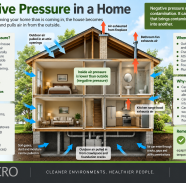
Negative Pressure in a Home: How Airflow Can Move Contaminants Through the Built Environment

When we think about indoor environmental problems, we often focus on the contaminant itself: mold, dust, bacteria, allergens, odors, VOCs, or other pollutants. But identifying what is present is only part of the picture. An equally important question is: How...

Continue Reading

September 7, 2026 | Posted by MICRO

How Long Does Wildfire Smoke Stay Inside Your Home?

Wildfire smoke can clear from the air within hours—but the contaminants it leaves behind may continue affecting indoor air for days, weeks, or even longer. When wildfire smoke enters a home or building, getting rid of the visible haze is...

Continue Reading

August 18, 2026 | Posted by MICRO

What Are Mycotoxins? What Mold Professionals Should Know

When mold professionals inspect a water-damaged building, they are dealing with more than what can be seen growing on drywall, wood, insulation, or other materials. Certain molds can produce chemical compounds known as mycotoxins under particular environmental conditions. What Are...

Continue Reading

January 14, 2026 | Posted by MICRO

What to Do If You Have Mold in Your Home

A Homeowner’s Guide from MICRO Finding mold in your home can be concerning—but with the right information, it’s a problem that can be addressed safely and effectively. At MICRO, we focus on educating homeowners about mold, moisture, and indoor environmental...

Continue Reading

December 19, 2023 | Posted by MICRO

OSHA’s Top 10

OSHA’s most frequently cited standard in fiscal year 2023. If that sounds familiar, it’s because this is the 13th consecutive year the standard has topped the list.

Continue Reading

November 20, 2023 | Posted by MICRO

The Importance of Monitoring Weather for Construction Jobsite Safety & Success

Inclement weather can be detrimental to the timeline and efficiency of construction projects. Mild sunny days with no rain allow progress to continue, while thunderstorms, excessive heat and humidity, and high winds can stall or stop operations.

Continue Reading

February 26, 2021 | Posted by MICRO

Dampness and Mold Assessment Tool – General Buildings

In 2019, NIOSH released the Dampness and Mold Assessment Tool for both general buildings and schools to help assess areas of dampness in buildings and to help prioritize remediation of problems areas. These assessment tools have been validated and...

Continue Reading

June 23, 2020 | Posted by MICRO

What is the difference between Type R, Type O, and Type P high-visibility safety vests?

Visibility is a critical issue for worker safety, particularly when workers are performing tasks near moving vehicles or equipment.

Continue Reading

June 12, 2020 | Posted by MICRO

Safety Glove Materials: What They Mean and What to Look For

Strong, precise, adaptable, but also fragile – hands are our number one tool. Workers’ hands, however, are exposed to all manner of hazards on the work site. Proper protection is a must.

Continue Reading

May 27, 2020 | Posted by MICRO

Hospital Respiratory Protection Program Toolkit

This toolkit was developed to assist hospitals in developing and implementing effective respiratory protection programs, with an emphasis on preventing the transmission of aerosol transmissible diseases (ATDs) to healthcare personnel.

Continue Reading